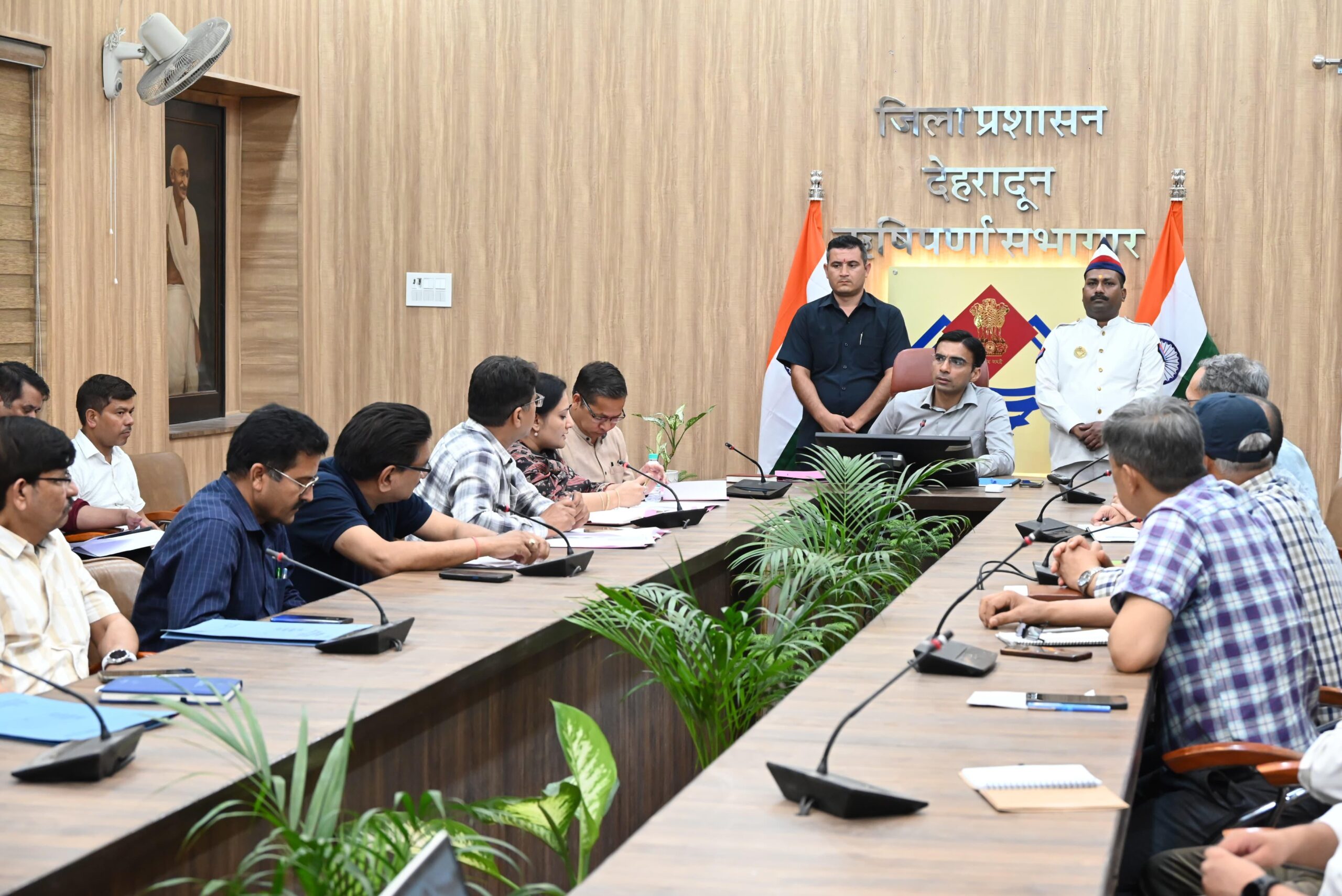
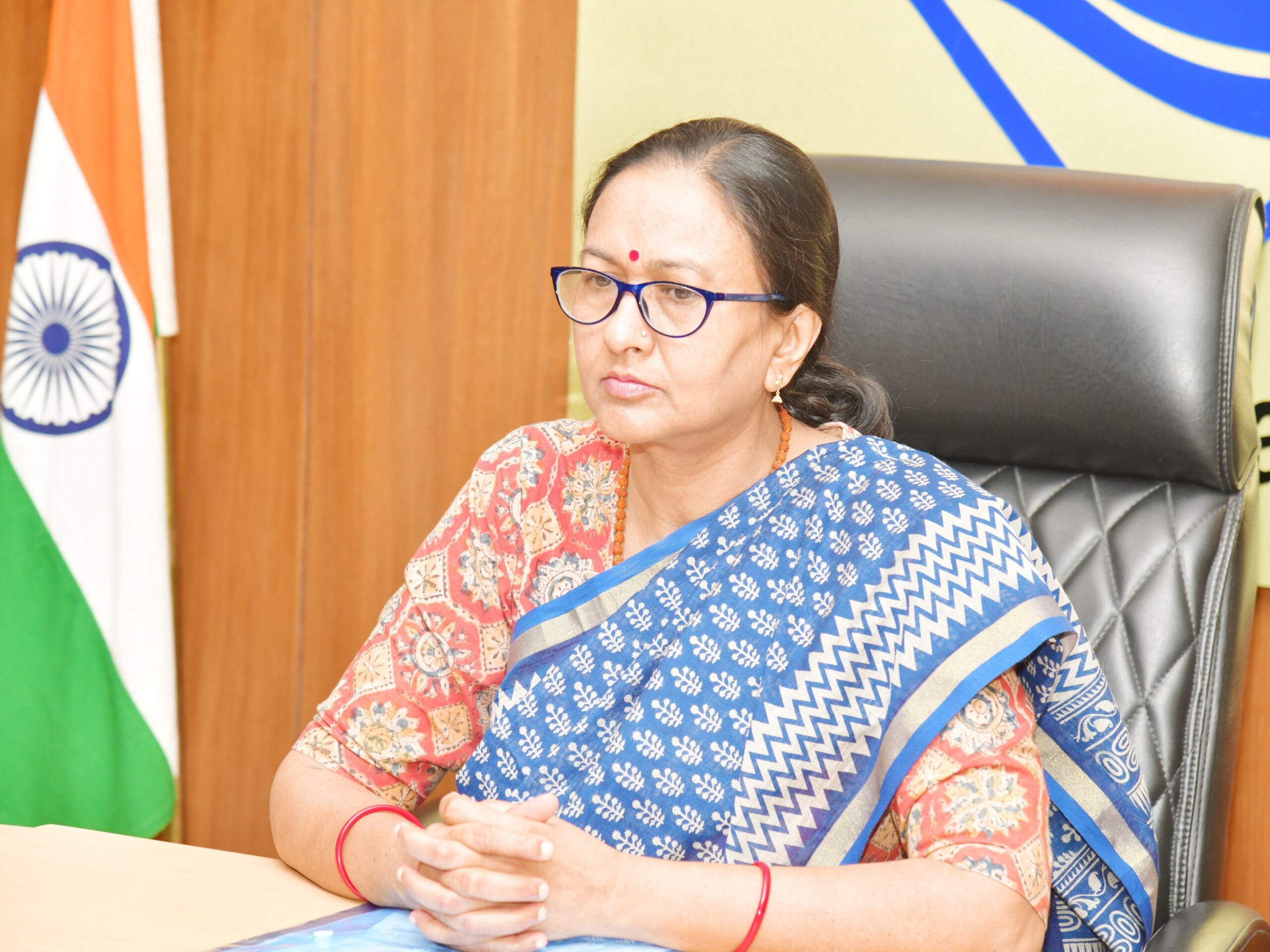
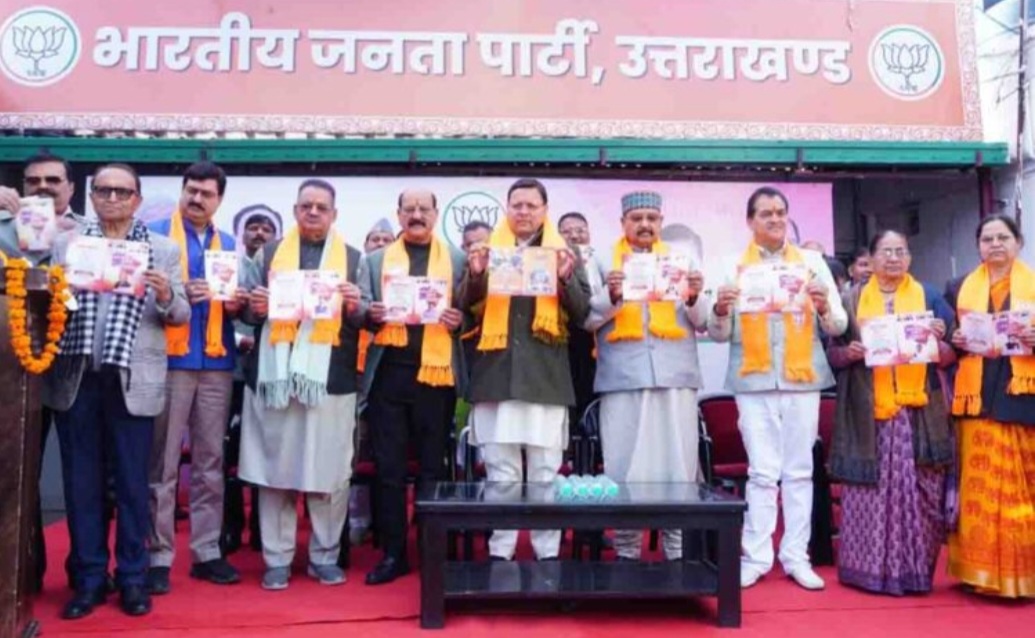
Chief Minister Pushkar Singh Dhami attended the 79th Foundation Day of the Bureau of Indian Standards in Dehradun, emphasizing the need to make quality a mass movement while highlighting BIS’s role in Make in India, consumer protection, and India’s vision of becoming a developed nation by 2047.
Dehradun: Chief Minister Pushkar Singh Dhami on Tuesday participated in a programme organised at the Chief Minister’s Camp Office (Mukhya Sevak Sadan) on the occasion of the 79th Foundation Day of the Bureau of Indian Standards (BIS). Emphasising the need to build a quality-centric mindset across society, the Chief Minister said that promoting a culture of quality is essential to ensure consumer trust, industrial competitiveness, and sustainable development.
Addressing the gathering, the Chief Minister said that over the past eight decades, BIS has made a remarkable contribution to quality assurance, reliability, and consumer protection, truly embodying the principle that quality itself is identity. He recalled that the institution, which began its journey in 1947 as the Indian Standards Institution, has today emerged as a strong pillar supporting India’s industrial, scientific, and economic progress.
The Chief Minister noted that through standardisation, certification, and quality testing, BIS has not only enhanced the global competitiveness of Indian industries but has also strengthened public confidence and safety. He added that standardisation today goes far beyond manufacturing and now plays a critical role in sectors such as agriculture, health, road safety, energy, water conservation, disaster management, and digital services.
Highlighting future-focused initiatives, the Chief Minister said BIS is playing a key role in shaping India’s tomorrow by setting timely standards in emerging areas including digital security, medical devices, drones, electric vehicles, recycled materials, and green energy. He praised BIS for its contribution toward maintaining a balance between ecology and economy, in line with the goals of sustainable development.
In Uttarakhand, the Chief Minister said, BIS is actively engaged in standardisation awareness and collaborative initiatives in coordination with departments such as the Public Works Department, Disaster Management, MDDA, and UPCL. Referring to the leadership of Prime Minister Narendra Modi, he said that flagship campaigns like Atmanirbhar Bharat and Make in India have become the backbone of India’s economic and technological advancement. He reiterated that the Prime Minister’s vision is to make Indian products global benchmarks of quality, and BIS has a pivotal role in achieving this objective.
The Chief Minister further stated that the state government is working to establish high-quality standards for Uttarakhand’s local products, including handicrafts, organic agricultural produce, medicinal herbs, and traditional food items. He said the “House of Himalayas” brand has been launched to provide global recognition to the state’s traditional products. Stressing that quality should become a habit rather than a mere regulation, he called for transforming quality consciousness into a people’s movement. He expressed confidence that under the ‘One Nation, One Standard’ vision, BIS will help India emerge as a global leader in standards and play a vital role in realising the Prime Minister’s resolve of making India a developed nation by 2047.
Detailing the state’s initiatives in science and innovation, the Chief Minister said several historic steps have been taken to promote scientific thinking and technological advancement. For the first time, Uttarakhand has implemented the Science, Technology and Innovation Policy 2025. Around 180 STEM laboratories have been established across 95 blocks in all 13 districts, while a Science and Technology Premier League has been launched statewide, benefiting hundreds of students. A Lab-on-Wheels is operational in every district, and 60 Patent Information Centres have been set up in universities and institutions.
He added that a Border Area Development Council has been constituted to promote science-based development in border regions, and science festivals have been extended to hilly districts, with this year’s event held in Rudraprayag. Budgetary provisions have been made to establish Science, Technology and Innovation Centres in each district, and science- and innovation-based broadcasting will soon be launched in the state.
The Chief Minister also informed that construction of the country’s fifth Science City in Dehradun is progressing rapidly. The project, being developed jointly by the Government of India and the state government at a cost of ₹175 crore, is expected to become a major hub for scientific learning and innovation. Work has also begun on Women’s Technology Centres, while collaboration and dialogue with central scientific institutions have gained fresh momentum. He cited the science- and technology-driven rescue model used in the Silkyara operation, which has received international recognition and will form the basis of an upcoming World Disaster Management Conference.
The programme was attended by MLAs Khajan Das, Umesh Sharma Kau, and Savita Kapoor; BIS Director Saurabh Tiwari; Director General of U-COST Prof. Durgesh Pant; Brigadier K.G. Behl (Retd.), along with representatives from industry and trade associations.