Development and Conservation Can Always Go Hand in Hand: Vice President
Modern Scientific Forestry and India’s Civilizational Knowledge Must Complement Each Other for a Sustainable Future
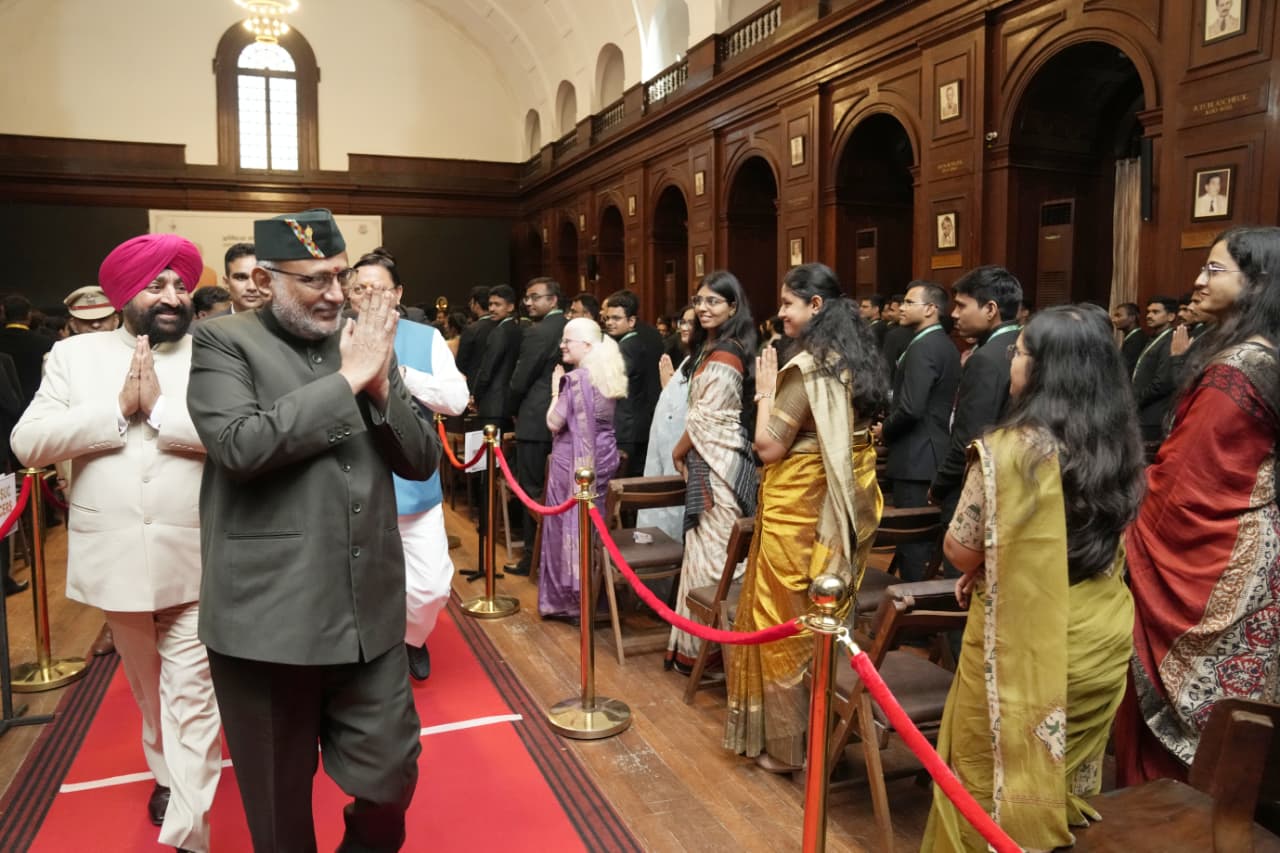
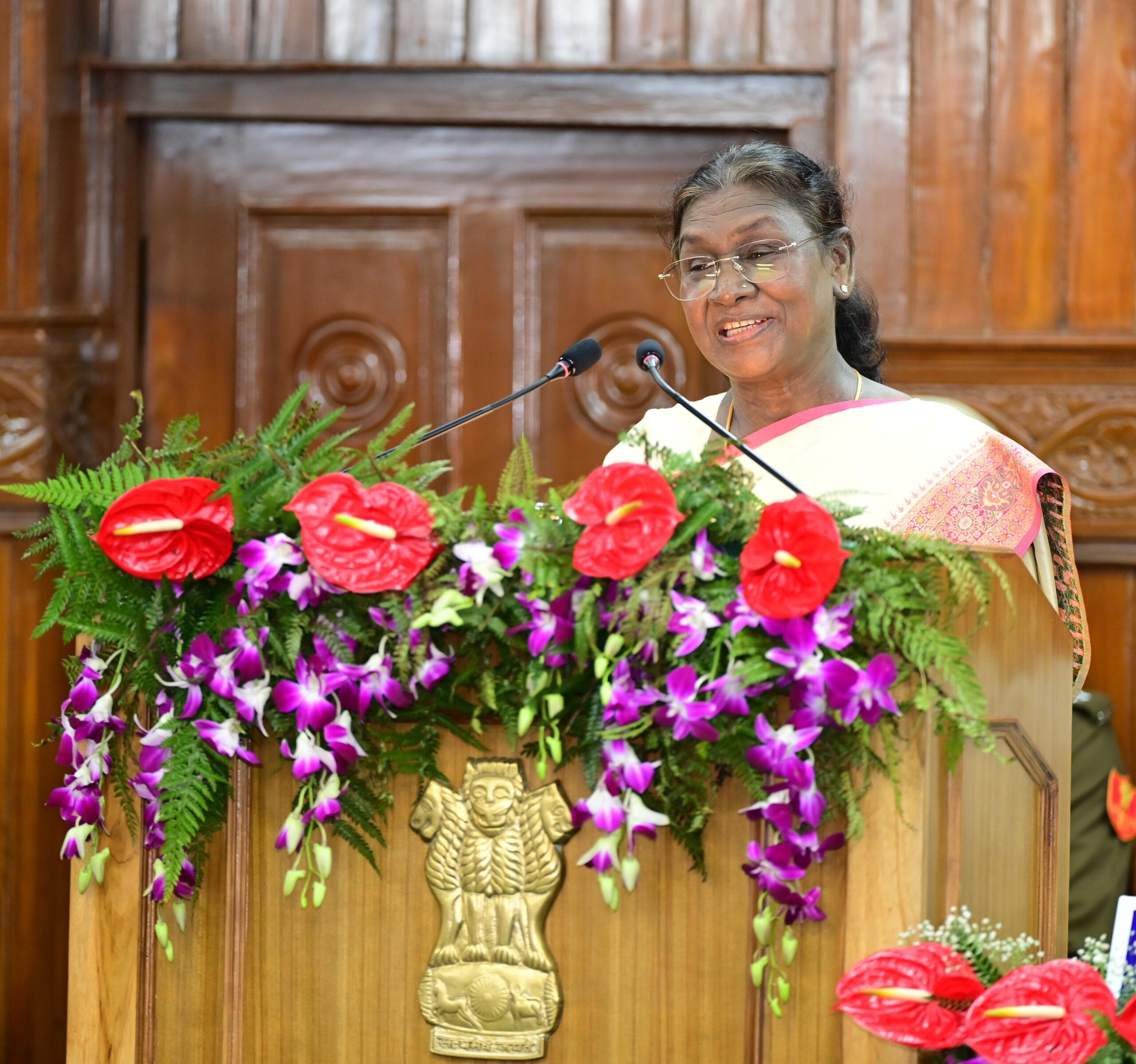
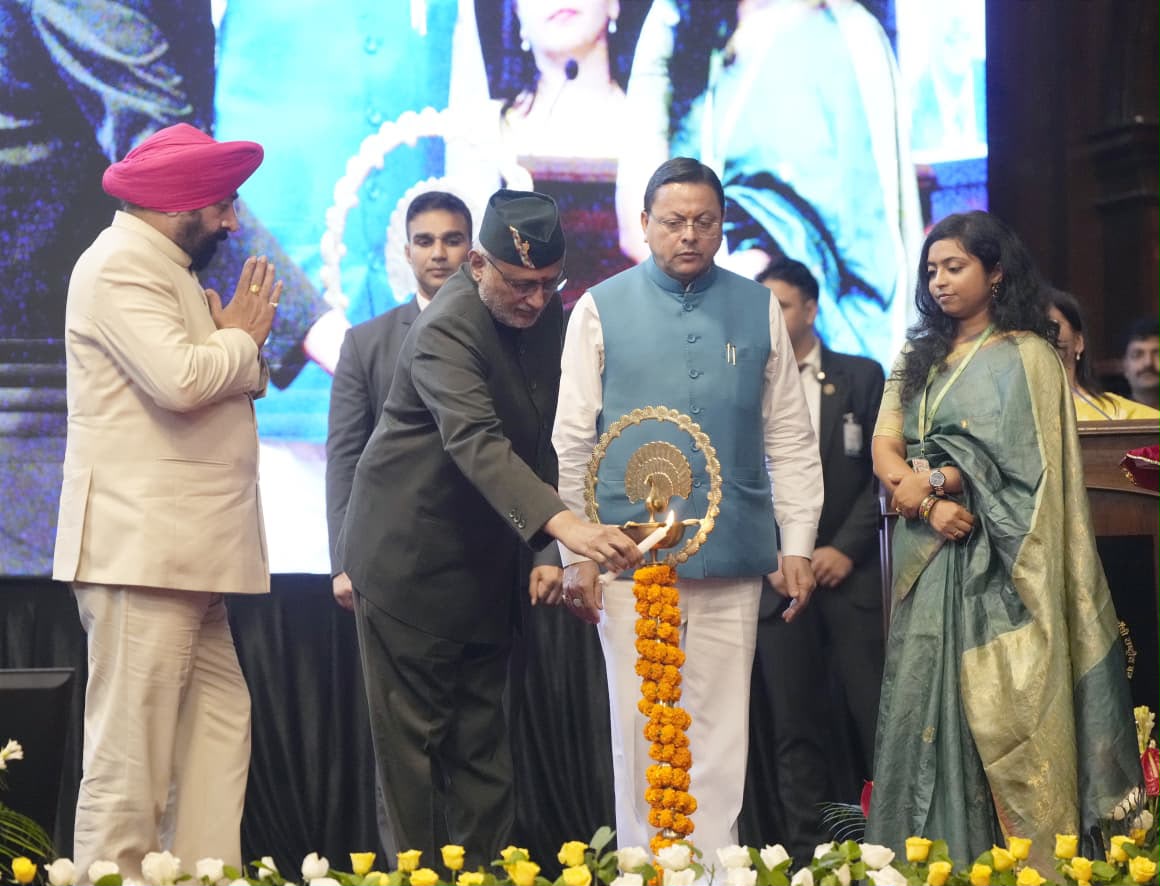
Dehradun, August 19, 2026: Vice President C. P. Radhakrishnan on Wednesday addressed probationers of the 2025–2027 batch of the Indian Forest Service (IFS) and officers undergoing training from the Royal Bhutan Forest Service at the Indira Gandhi National Forest Academy (IGNFA), Dehradun.
Congratulating the officer trainees, the Vice President said they would shoulder the responsibility of managing India’s forests, wildlife, biodiversity and valuable natural resources during the crucial decades ahead as the country moves towards the vision of Viksit Bharat@2047.
He emphasized that development and conservation are not contradictory and can always move forward together. He urged the young officers to strike a balance between conservation and development, ecological security and livelihoods, and present-day needs and the interests of future generations.
Forest Service Crucial to Ecological Security and Net-Zero Goal
The Vice President said the Indian Forest Service has a vital role in strengthening the country’s ecological security and contributing to India’s target of achieving net-zero emissions by 2070.
He noted that forest conservation is closely linked not only with environmental protection but also with water security, biodiversity, climate resilience, livelihoods and the well-being of communities.
Collective Excellence More Important Than Individual Achievement
Calling for greater emphasis on team excellence rather than individual excellence, C. P. Radhakrishnan said sustained collective efforts are what build strong institutions and nations.
He stressed the importance of respecting the traditional knowledge of communities that have lived in harmony with forests and natural ecosystems for generations. He said the valuable experience of such communities in managing and conserving natural resources should be respected and integrated with modern scientific approaches.
Integrity Must Remain Non-Negotiable
Emphasizing the importance of integrity in public service, the Vice President said there can be no compromise on integrity. He advised the officers to rely on the Constitution, law, science and the larger public interest while taking difficult decisions.
He also encouraged the trainees to adopt best practices from across the country while adapting them to local conditions and specific field requirements.
Harness Technology for Modern Forest Management
Highlighting the growing role of technology in forestry, the Vice President urged the new generation of forest officers to effectively integrate remote sensing, Geographic Information Systems (GIS), drones, Artificial Intelligence (AI) and data-driven systems with field experience, sound judgment and sensitivity towards people.
He said technology can strengthen decision-making, but effective forest management also requires a strong understanding of ground realities, local communities and ecological conditions.
Scientific Forestry and Civilizational Knowledge Must Complement Each Other
C. P. Radhakrishnan emphasized that modern scientific forestry and India’s civilizational knowledge must complement each other to build a sustainable future.
He said India’s traditional knowledge systems have long emphasized respect for nature and harmonious coexistence with the natural environment. Combining this wisdom with modern science can provide a stronger foundation for the conservation and sustainable management of forests and natural resources.
Rising Participation of Women in Forest Services Encouraging
The Vice President also highlighted the increasing participation of women in the forest services. He noted that around 17 percent of the current batch comprises women, describing it as an encouraging change and a reflection of the growing role of women in public service.
Measure Career Success by Conservation and Community Trust
Advising the officer trainees not to measure their careers merely by the positions they hold, the Vice President urged them to assess their contribution through the forests they restore, wildlife they protect, communities whose trust they earn and the legacy they leave for future generations.
He called upon the officers to always place the national interest above everything else, stressing the principle:
“Nation First.”
The event was attended by Uttarakhand Governor Lieutenant General Gurmit Singh (Retd.), Chief Minister Pushkar Singh Dhami, IGNFA Director Dr. Rajendra Prasad, Course Director Ajita Longjam, and other dignitaries.