Fragrance of Heritage Returns: Dehradun Basmati Makes a Comeback with 75 Hectares Under Cultivation
160 Farmers Join Revival Drive After Successful Pilot; Seed Conservation, Branding and Market Linkages to Restore the Legacy of Doon Basmati
Dehradun | July 26, 2026
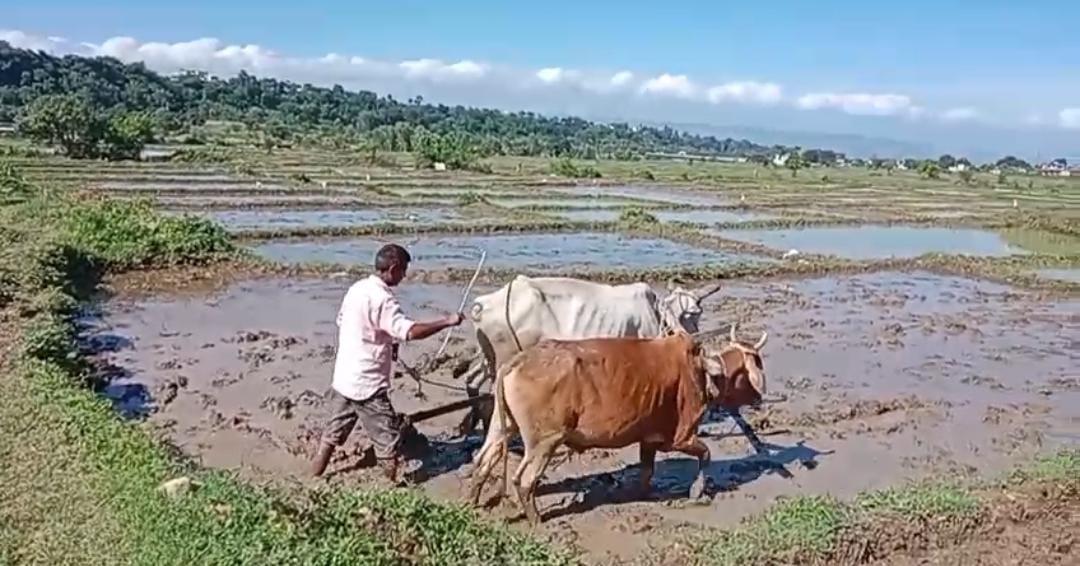
The iconic Doon Basmati, once celebrated across India and abroad for its distinctive aroma, superior taste, and premium quality, is steadily making a comeback in the fertile plains of Dehradun. Driven by the vision of Chief Minister Pushkar Singh Dhami, coordinated efforts by the district administration, the Agriculture Department, and enthusiastic participation from farmers have revived hopes of restoring this traditional heritage rice variety.
Following the success of a pilot project conducted in 2025, the cultivation area under Doon Basmati 2.2 has now been expanded to 75 hectares this year. Around 160 farmers across the district have taken up its transplantation, marking a significant step towards reviving the region’s traditional agricultural identity.
Cultivation Expanded to 75 Hectares
District Magistrate Dr. Ashish Chauhan said the administration has been working consistently to revive and promote traditional Doon Basmati cultivation. The initial pilot was carried out on nearly 65 hectares, producing encouraging results. Based on its success, the cultivation area has now been increased to 75 hectares.
He added that after farmers in Sahaspur and Vikasnagar, growers from Raipur and Doiwala development blocks have also shown keen interest in cultivating Doon Basmati.
According to the District Magistrate, the long-term objective is to establish Doon Basmati as a strong regional brand by preserving its unique aroma, quality, and geographical identity, thereby ensuring better market access and higher incomes for farmers.
Successful Pilot Encouraged Farmers
Chief Development Officer Abhinav Shah said that more than 100 farmers cultivated Doon Basmati over approximately 65 hectares during the 2025 pilot project. The encouraging outcomes have significantly increased farmers’ confidence in returning to this traditional crop.
Under the REAP (Rural Entrepreneurship and Livelihood Project), the administration directly procured farmers’ produce. More than 200 quintals of Doon Basmati paddy were purchased last year at ₹65 per kilogram, and over ₹13 lakh was directly transferred to farmers’ bank accounts.
He emphasized that alongside expanding cultivation, ensuring reliable market access remains a priority. Marketing and branding initiatives are being undertaken through REAP and HILANS to help farmers receive remunerative prices for their produce.
Comprehensive Strategy: From Seed Conservation to Branding
The revival initiative extends beyond increasing cultivation. The district administration has adopted a comprehensive approach covering seed conservation, scientific quality testing, direct procurement, market development, value addition, and branding.
A dedicated Seed Bank will soon be established in Vikasnagar to preserve high-quality Doon Basmati seeds and ensure their availability to farmers in the coming years.
In addition, scientific testing facilities are being developed in Vikasnagar to authenticate the variety’s distinctive aroma and quality, helping position Doon Basmati competitively in national and international markets.
Cultivation Had Shrunk Dramatically
Chief Agriculture Officer Devendra Singh noted that Doon Basmati was once cultivated over nearly 550 hectares, but changing agricultural patterns and the shift toward other commercial crops gradually reduced the area to around 150–200 hectares.
He said farmers are once again showing strong interest in cultivating this traditional variety, supported by quality seed conservation, better market opportunities, and sustained administrative support.
Farmers Optimistic About the Future
Farmer Surya Prakash Bahuguna from Herbertpur said that the district administration, Agriculture Department, and Gramotthan have been providing continuous technical guidance and marketing support. Around 25–30 farmers from his area have joined the Doon Basmati revival campaign.
He expressed confidence that the efforts of Chief Minister Pushkar Singh Dhami and the district administration have given new life to a crop that was on the verge of disappearing. Farmers are hopeful that the cultivation area will continue to expand and that they will receive better returns for their produce in the years ahead.
Towards a New Identity for Doon Basmati
The successful pilot in 2025 and the expansion of cultivation in 2026 indicate that the revival of Doon Basmati has evolved into a broad-based initiative involving government agencies and farming communities alike.
With sustained efforts in seed conservation, scientific research, quality assurance, branding, and market development, Doon Basmati is expected to reclaim its status as one of Uttarakhand’s most treasured agricultural heritage crops. The initiative also aims to establish “Doon Basmati” as a premium brand recognised across India and international markets for its exceptional aroma, quality, and authenticity.