Traditional Springs and Naulas to Get a New Lease of Life, Scientific Revival of 54 Historic Water Sources Begins
SARRA state-level workshop provides technical training on ‘zero-cement’ architecture and springshed science

Dehradun: In a significant initiative aimed at preserving Uttarakhand’s traditional water heritage, the Spring and River Rejuvenation Authority (SARRA) has initiated the scientific and architectural conservation and revival of 54 historic and traditional springs and naulas across the state.
As part of the initiative, a state-level technical workshop on “Scientific and Architectural Conservation and Revival of Traditional Springs and Naulas” was organised at the Directorate of Watershed Management in Dehradun. Social coordinators and junior engineers from all 13 districts of Uttarakhand participated in the workshop.
The participants received technical training on the conservation of traditional water sources, springshed management, scientific assessment of recharge zones, traditional architectural techniques and community-based water conservation measures.
Springs and naulas are part of Uttarakhand’s cultural heritage
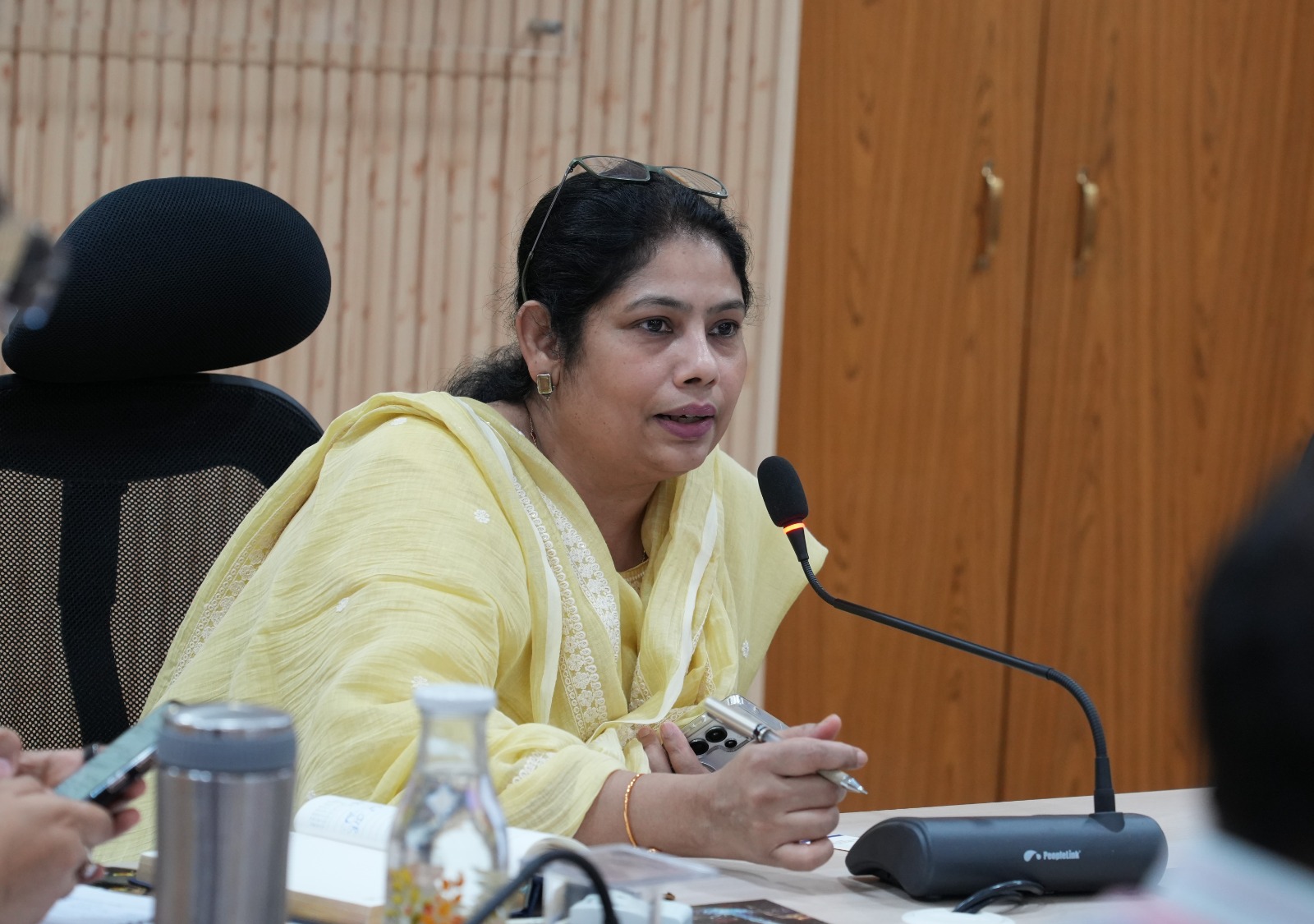
SARRA ACEO Kahkashan Naseem said that traditional springs and naulas are not merely sources of water supply but also living symbols of Uttarakhand’s cultural identity and ancient architectural heritage. She emphasised the need for active participation of local communities and called for making the conservation campaign a broader people’s movement.
Director General of UCOST and senior scientist Dr Durgesh Pant said the revival of traditional water sources should be viewed as a scientific and ecological process rather than merely structural repair. He emphasised an integrated approach involving springshed management, scientific assessment of recharge zones, chaal-khal structures and hydro-geological techniques.
Focus on ‘zero-cement’ conservation techniques
During the workshop, Dr Nagendra Rawat of Hemvati Nandan Bahuguna Garhwal University delivered a technical session on ‘zero-cement structural engineering’. He explained that traditional naulas used techniques such as stone corbelling and load-bearing construction, which contributed to the structural resilience of these traditional water structures, including under seismic conditions.
Heritage conservation expert Anjali Bharthari of INTACH and UNESCO-honoured conservation architect A. Vijaya shared technical inputs on traditional material testing, site mapping and international heritage conservation standards.
Scientific conservation planned for 54 historic naulas
The workshop presented an action plan for the first phase of scientific revival of 54 historic and traditional springs and naulas across Uttarakhand. Junior engineers were instructed to ensure that the original stone masonry and historic character of the structures are preserved and that unnecessary cement-based alterations are avoided.
Social coordinators were also trained in geo-tagging, GIS mapping and data collection. Emphasis was placed on working with gram panchayats and local communities to undertake water conservation measures such as chaal-khal structures and contour trenches in recharge zones.
The SARRA initiative seeks to create a state-level framework for the integrated conservation of Uttarakhand’s traditional water culture, ‘water temple’ architecture and modern groundwater science. The combination of scientific assessment, traditional knowledge and community participation is expected to support the preservation and revival of the state’s historic water sources.