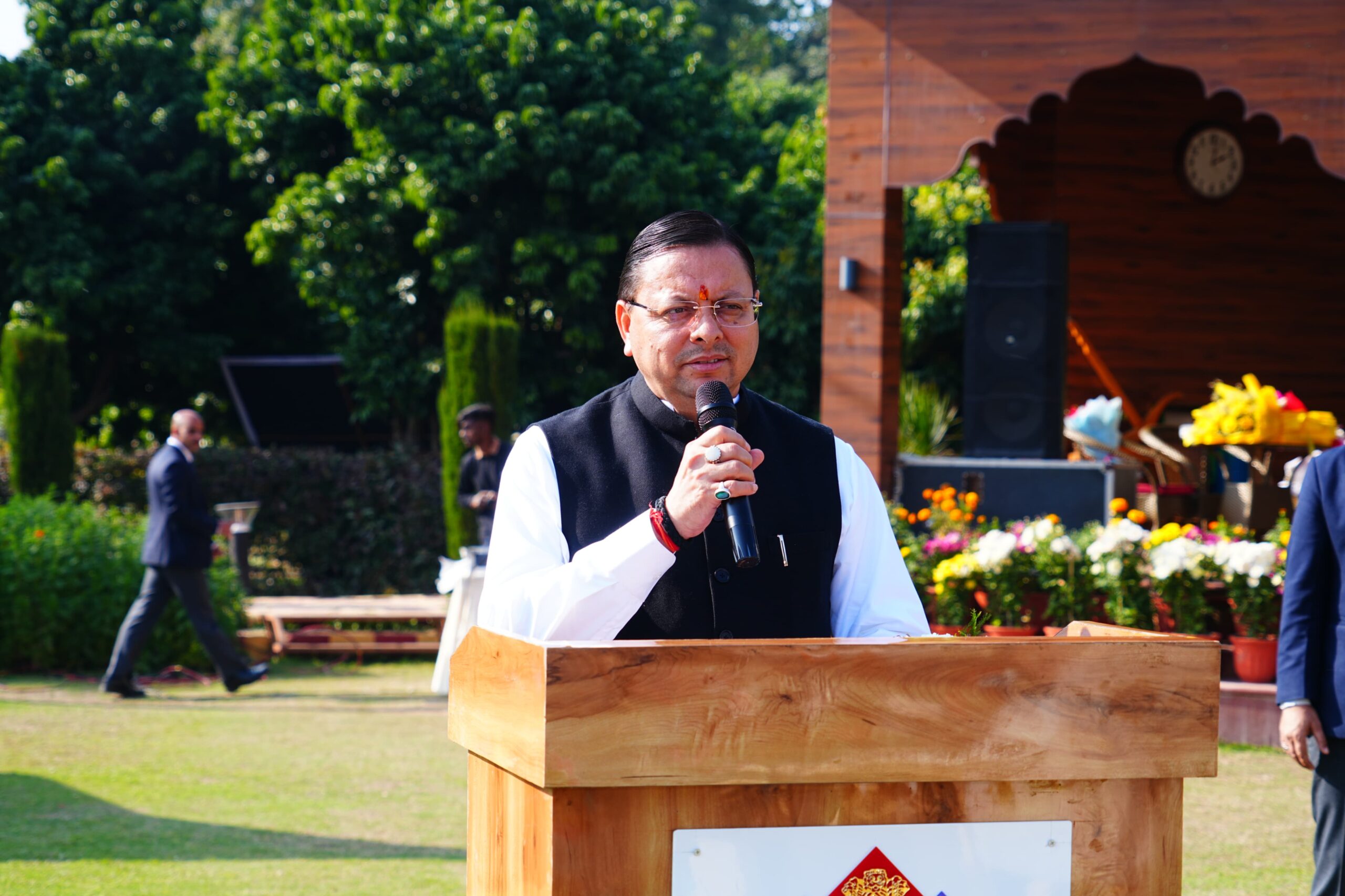
Chief Minister Pushkar Singh Dhami Chairs Informal Meeting with IAS Officers at CM Residence
“This decade belongs to Uttarakhand”—CM Dhami urges faster, transparent & citizen-focused governance
Clear directives issued: No delays in files, decisions must be target-based and impactful
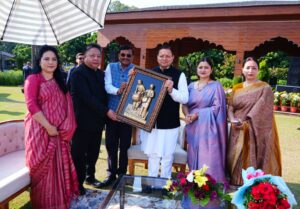
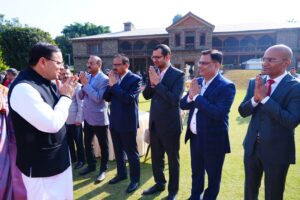
Dehradun: Chief Minister Pushkar Singh Dhami held an informal yet significant meeting with senior and young IAS officers at his residence on Saturday. The session, attended by Chief Secretary Anand Bardhan and other key officials, was organized in the context of the ongoing Administrative Officers’ Conference (AOC).
The Chief Minister said that although the gathering was informal, it was an important moment for him to express his heartfelt expectations from the administrative leadership of the state.
“Uttarakhand’s 25-year journey reflects the tireless service of the administration”
CM Dhami acknowledged that Uttarakhand has faced numerous challenges over the past 25 years, yet the dedication, discipline, and vision of its officers have enabled the state to achieve remarkable progress.
“You have shown exemplary leadership and compassionate administration in the most difficult circumstances. I extend my heartfelt gratitude to each one of you,” he said.
“This is not the time to pause—this is the time to move faster”
Reiterating Prime Minister Narendra Modi’s statement—
“This decade is Uttarakhand’s decade”,
the Chief Minister said it is the collective responsibility of the administrative machinery to translate this vision into reality.
He emphasized that the next five years will be decisive for Uttarakhand, and officers must ensure that every citizen feels the impact of positive and meaningful change.
Fast, Transparent & Target-Oriented Governance—CM’s Clear Instructions
CM Dhami directed officers to ensure:
-
Speed and transparency in every administrative process
-
Target-based planning and execution for every scheme
-
Immediate ground-level impact of government initiatives
-
Defined accountability at every stage
-
Zero tolerance for unnecessary file delays
He said that effective governance must reflect in timely decisions, quick service delivery, and visible improvements in public welfare.
“This is not a job—it is a public service responsibility”
The Chief Minister reminded officers of the core values of civil service:
“You did not choose this profession for money, security, or position. You joined it with the aspiration to serve the nation. Your decisions impact millions of lives, and therefore sensitivity, foresight, and factual decision-making are essential.”
He also pointed out that public complaints, red tape, and prolonged file pendency damage the credibility of the system. Officers, he said, must place public trust above everything else.
Inspiration from legendary administrators
CM Dhami recalled the contributions of distinguished officers such as Suryapratap Singh, T.N. Seshan, and Nripendra Mishra, whose integrity and dedication left a deep imprint on Indian governance.
Quoting a powerful message, he said:
“The prestige of the post lasts till your tenure, but the respect for your work lasts a lifetime.”
“Indifference has no place in today’s New India”
Delivering a strong message, the Chief Minister said:
-
No work should be delayed without reason
-
Decisions must be timely and well-judged
-
Benefits of schemes must reach genuine beneficiaries with transparency
-
Officers must conduct regular reviews, inspections, and monitoring in their respective jurisdictions
“Unwavering resolve” is Uttarakhand’s development mantra
CM Dhami concluded that the state government is working with the mantra of “unwavering resolve” to position Uttarakhand among the front-ranking states of the country. He expressed confidence that the IAS leadership will continue to demonstrate commitment, determination, and excellence in achieving this vision.
During the interaction, Chief Secretary Anand Bardhan also shared insights from the Administrative Officers’ Conference (AOC) and reflected on the evolving expectations from a modern administrative system.