CM Dhami Directs Promotion of Wildlife Tourism to Boost Local Economy and Strengthen Conservation Efforts
State Wildlife Board and State-Level Tiger Steering Committee Hold Key Meeting
Citizens displaying exceptional bravery during human-wildlife conflict to be honoured at the state level
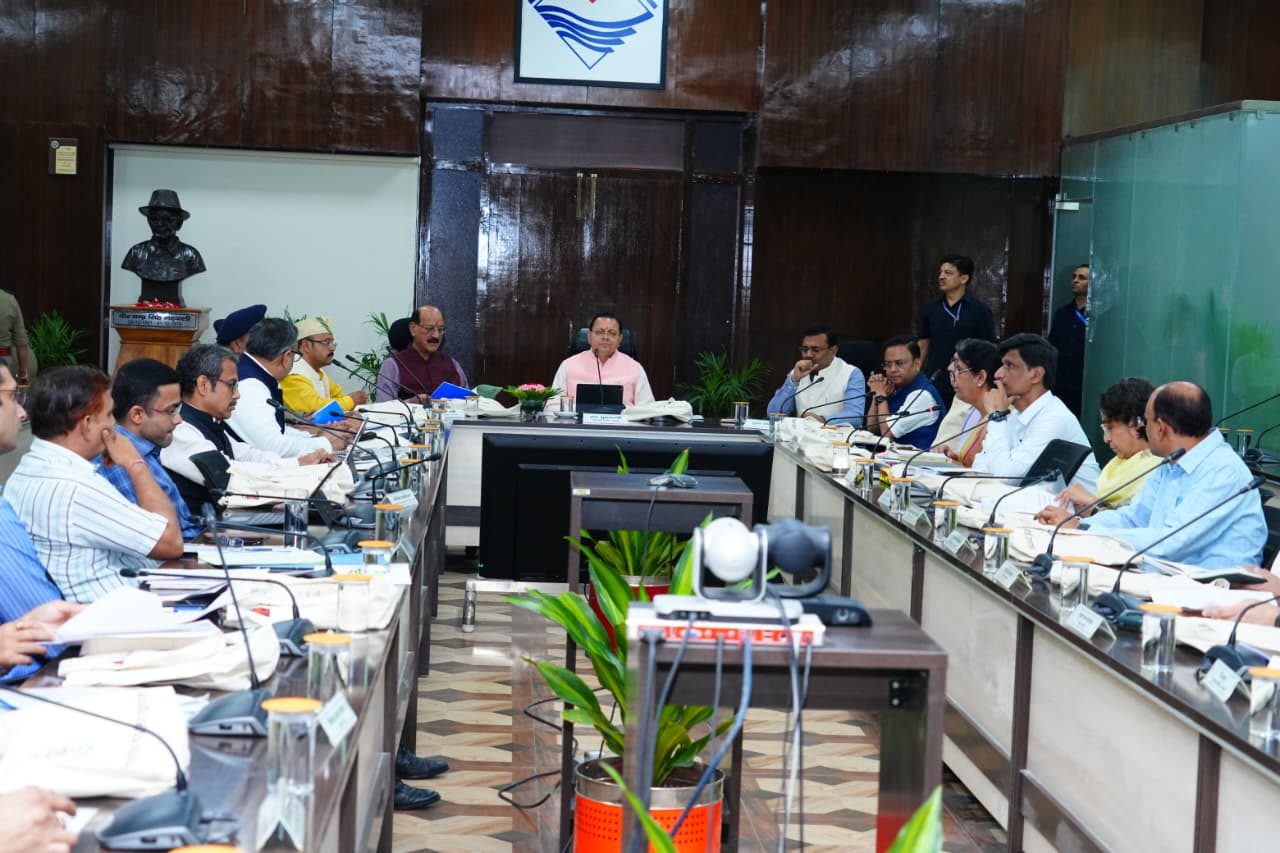
Dehradun, July 25: Uttarakhand Chief Minister Pushkar Singh Dhami has directed officials to prepare a comprehensive and time-bound action plan to strengthen wildlife conservation, minimize human-wildlife conflict, and promote wildlife-based tourism as a means of enhancing the livelihoods of local communities.
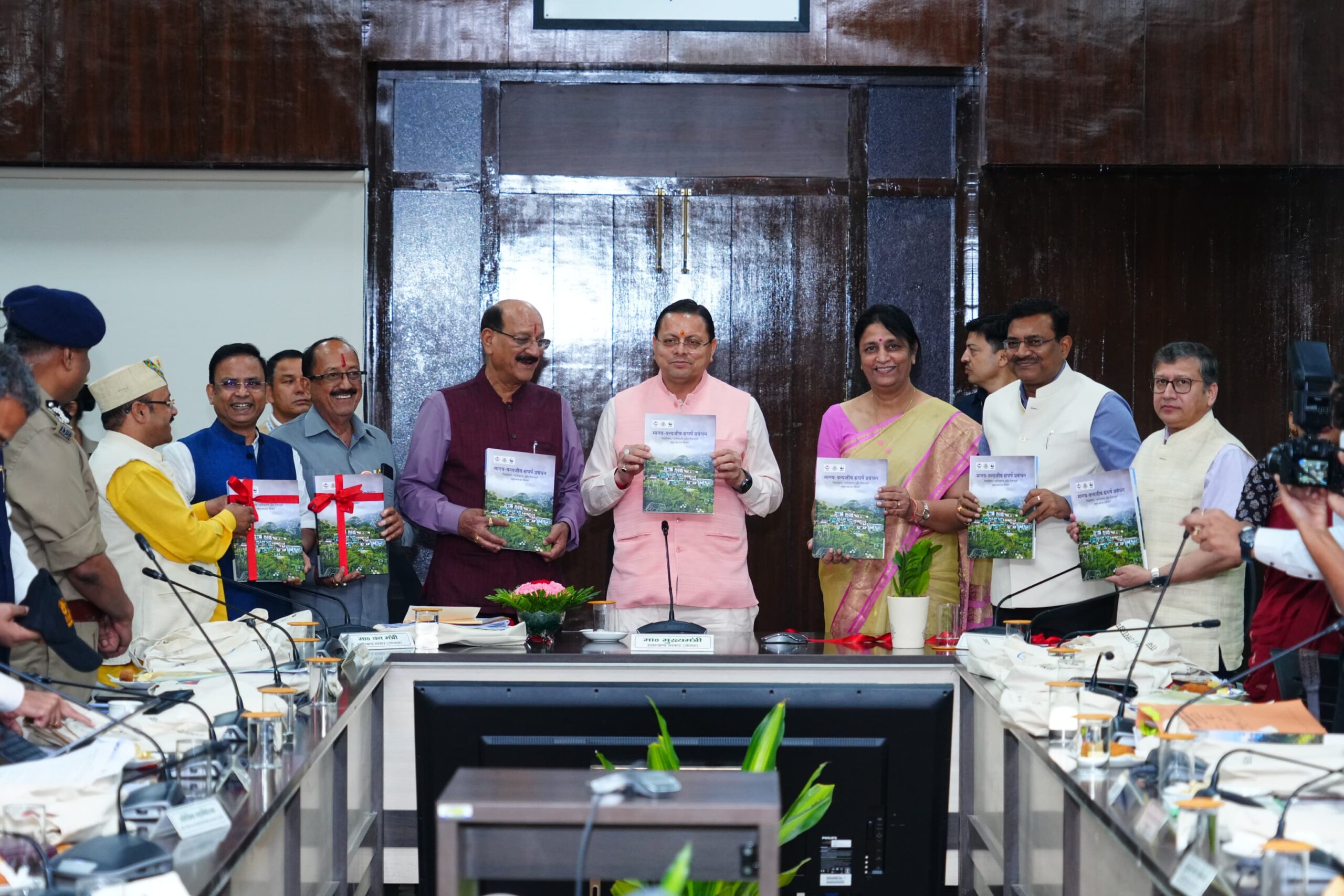
Chairing the 23rd meeting of the Uttarakhand State Wildlife Board and the State-Level Tiger Steering Committee at Vishwakarma Bhawan in the Secretariat on Friday, the Chief Minister reviewed wildlife conservation initiatives, protection of wildlife corridors, human-wildlife conflict mitigation, and proposals related to development projects in protected areas.
The Chief Minister emphasized that development and environmental conservation must go hand in hand. He instructed officials to ensure strict compliance with wildlife conservation conditions in all approved development projects while accelerating infrastructure initiatives in an environmentally sustainable manner.
Wildlife Tourism to Create Livelihood Opportunities
CM Dhami said the state government is committed to establishing a stronger balance between wildlife conservation, biodiversity enhancement, and the economic well-being of local residents. He directed officials to promote wildlife-based tourism in a planned manner so that rural communities, particularly youth, can benefit from employment and self-employment opportunities linked to eco-tourism.
He noted that Uttarakhand’s rich biodiversity and wildlife resources have immense potential to become a significant driver of the state’s sustainable economic growth.
State Honours for Acts of Bravery
The Chief Minister announced that citizens who display exceptional courage while rescuing or protecting others during incidents of human-wildlife conflict will be recognised and honoured at the state level. He said such recognition would encourage public participation in wildlife conservation and emergency response.
He also instructed officials to ensure that compensation for families of people killed or injured in wildlife attacks is disbursed promptly in accordance with prescribed norms.
Technology-Driven Wildlife Protection
Reviewing ongoing conservation efforts, officials informed the meeting that Quick Response Teams (QRTs) have been deployed to tackle human-wildlife conflict across vulnerable areas. Modern technologies such as camera traps, drones, snake rescue kits, solar lighting, and improved surveillance systems are being extensively used.
The Chief Minister directed the Forest Department to further strengthen wildlife corridors through Artificial Intelligence (AI)-based monitoring, scientific wildlife management, expanded camera trap networks, and advanced surveillance in ecologically sensitive regions.
He also stressed the importance of conserving natural water sources and grazing grounds for wildlife, improving forest fire management, and expanding technology-enabled monitoring systems.
Special Measures for Haridwar Kumbh
Keeping the upcoming Haridwar Kumbh in view, the Chief Minister directed that dedicated Quick Response Teams be deployed in sensitive areas to prevent incidents of human-wildlife conflict during the large religious gathering.
Development Projects Cleared with Conservation Safeguards
The State Wildlife Board also considered several proposals concerning development activities in protected areas. Permission was granted to forward projects such as a gas pipeline through the Rajaji National Park region, road connectivity, ITBP infrastructure, and optical fibre cable networks in other protected areas to the Standing Committee of the National Board for Wildlife, subject to mandatory wildlife conservation conditions.
Greater Focus on Tiger Conservation
During the meeting of the State-Level Tiger Steering Committee, the Chief Minister stated that Uttarakhand is one of India’s leading states in terms of biodiversity and tiger habitats. He emphasized that tiger conservation should be strengthened through community participation, scientific management, modern technology, and the protection of natural habitats.
He instructed officials to prepare an effective strategy that balances development with conservation while minimizing human-wildlife conflict.
The meeting also discussed the formation of a Tiger Protection Force for Corbett Tiger Reserve and Rajaji Tiger Reserve, promotion of eco-friendly safari vehicles, special incentives for frontline forest personnel working in protected areas, and strengthening investigation and enforcement mechanisms to combat wildlife crimes.
Senior Officials Present
The meeting was attended by Forest Minister Subodh Uniyal, MLA Diwan Singh Bisht, Vice Chairman of the Uttarakhand Tribal Advisory Council Geetaram Gaud, Chief Secretary Anand Bardhan, Principal Secretary R.K. Sudhanshu, Head of Forest Force Kapil Lal, ADG A.P. Anshuman, Secretary C. Ravishankar, Principal Chief Conservator of Forests Neena Grewal, and other senior officials of the Forest Department.