Zero Tolerance Against Drugs: Protecting Every Young Person’s Future is Our Top Priority – Dehradun DM Dr. Ashish Chauhan
GIS-Based Mapping to Identify Drug Hotspots; Coordinated Crackdown Planned on Supply Networks
Anti-Drug, Cybercrime and Financial Crime Awareness to Be Introduced in Schools; CCTV Surveillance to Be Strengthened in Hostels and PG Accommodations
Strict Monitoring of De-Addiction Centres; Non-Compliant Facilities to Face Sealing
Dehradun, July 24, 2026:
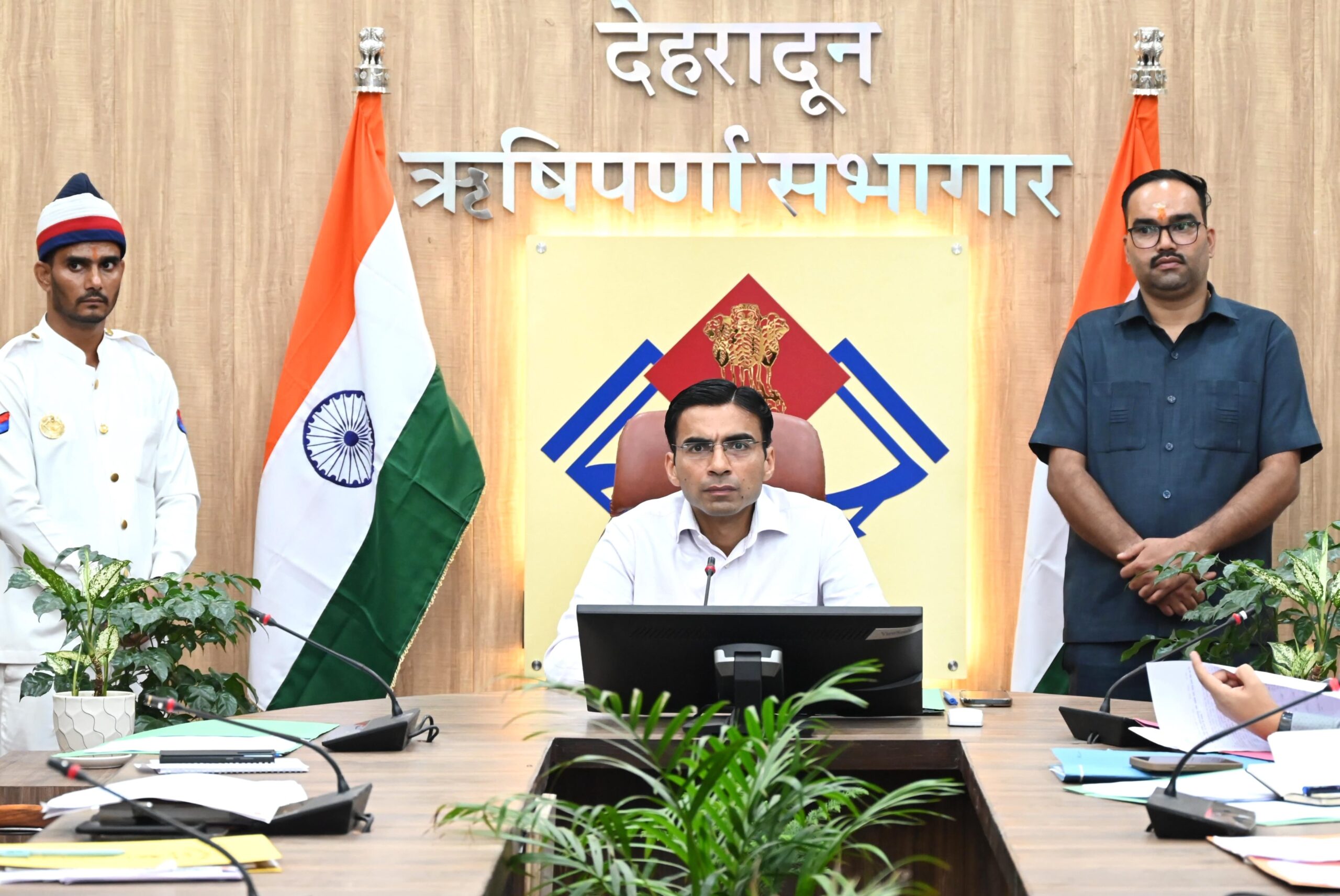
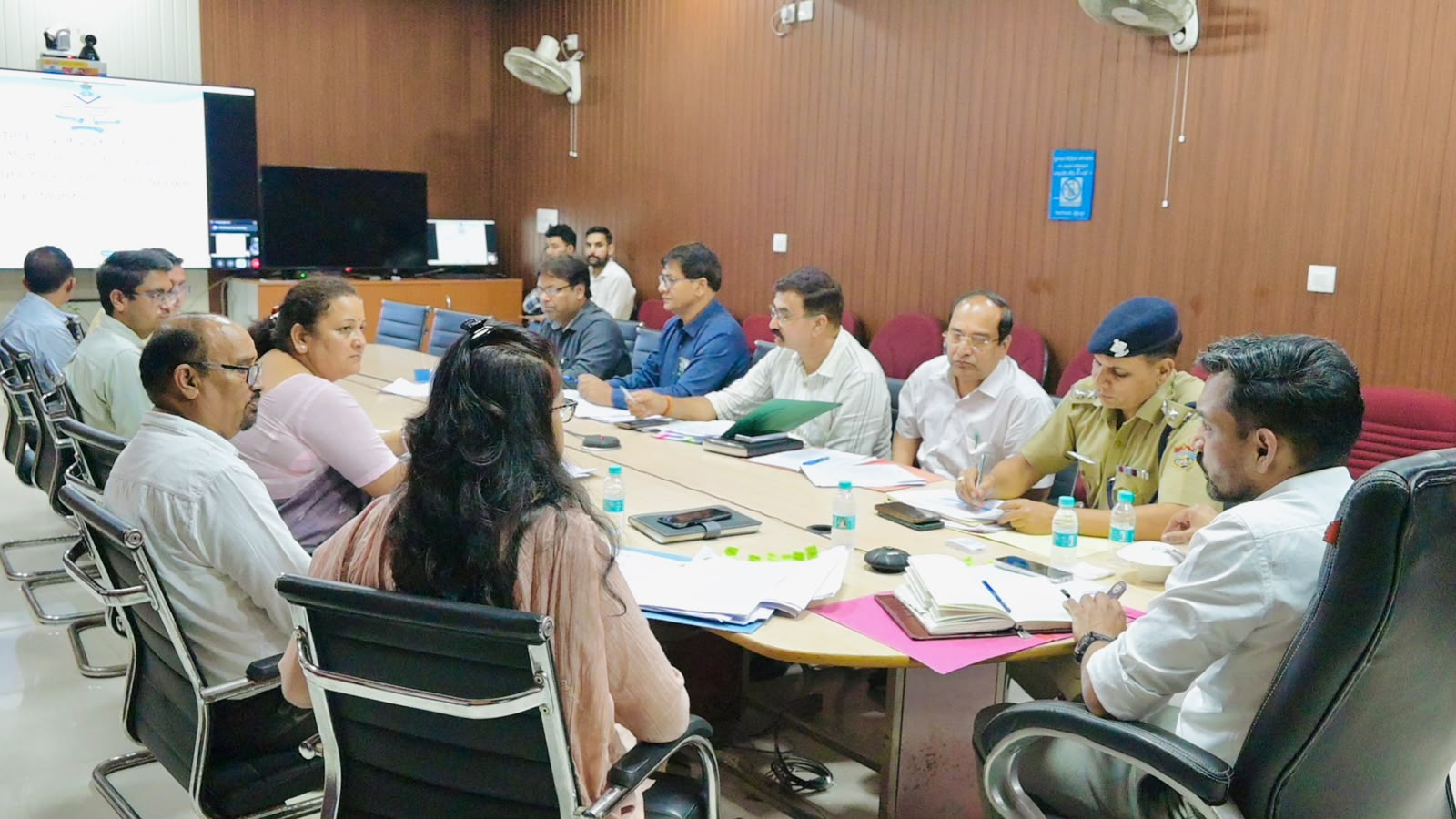
The Dehradun district administration has unveiled a comprehensive strategy to intensify its fight against drug abuse and narcotics trafficking, reaffirming its zero-tolerance policy against the menace. Chairing a meeting of the District Level Narcotics Coordination Committee (NCORD) on Friday, District Magistrate Dr. Ashish Chauhan declared that protecting the future of the youth is the administration’s foremost priority.
He emphasized that the campaign against drugs is not merely a law-and-order issue but a mission to safeguard the future of young people, preserve families, and ensure a healthier society. The District Magistrate directed all concerned departments to work in close coordination and adopt result-oriented measures to curb drug abuse and illegal narcotics trade.
GIS Mapping to Identify Drug Hotspots
Reviewing ongoing anti-narcotics initiatives and enforcement measures, Dr. Chauhan instructed the police department to analyze historical crime data using Geographic Information System (GIS) technology to scientifically identify drug-sensitive and hotspot areas across the district.
He directed officials to launch focused operations in identified locations and maintain strict surveillance over tea and tobacco kiosks, medical stores, slum settlements, and other vulnerable areas where illegal drug activities may be taking place.
Joint Action to Break Drug Supply Chains
Expressing serious concern over the growing prevalence of synthetic and chemical drugs, the District Magistrate described the trend as a significant threat to society and the younger generation.
He instructed the Anti-Narcotics Task Force (ANTF), Special Task Force (STF), Uttarakhand Police, Narcotics Control Bureau (NCB), Drug Control Department, and other enforcement agencies to work jointly to dismantle drug supply networks and take stringent action against traffickers.
Anti-Drug Education to Become Part of Student Awareness
To prevent young people from falling into drug addiction, the District Magistrate directed educational institutions to incorporate awareness sessions on drug abuse prevention, cybercrime, and financial crimes alongside regular academic activities.
He also ordered enhanced CCTV surveillance in hostels, paying guest (PG) accommodations, coaching centres, and other sensitive locations, while directing departments to widely publicize the National Anti-Drug Helpline (1933) so citizens can report drug-related activities without fear.
Strict Monitoring of De-Addiction Centres
Dr. Chauhan instructed all Sub-Divisional Magistrates (SDMs) to conduct regular inspections of de-addiction and rehabilitation centres operating across the district and ensure they comply with prescribed standards.
He warned that any centre found violating operational norms or regulatory standards would face immediate sealing.
The Chief Medical Officer was also directed to submit a proposal to the state government for establishing a 30-bed de-addiction and rehabilitation centre at Selaqui. Additionally, the District Magistrate ordered strict enforcement against smoking in public places.
Enforcement Review and Key Statistics
Officials presented the progress of anti-drug enforcement during the meeting:
- 84 registered and 2 unregistered de-addiction centres were identified across the district.
- 23 centres were found closed during physical verification.
- Action was initiated against 15 centres for operational irregularities.
- Inspection reports of 55 centres have been submitted to the State Mental Health Authority with observations.
- 151 cases have been registered under the NDPS Act in 2026 so far.
- 170 accused persons have been arrested and sent to jail.
- Under a drug-testing campaign conducted in higher educational institutions, samples from 711 suspected students were collected, and all reports tested negative.
- CCTV cameras have been made mandatory in all medical stores across the district.
- Sale of medicines in the absence of a licensed pharmacist has been prohibited.
- Complaints received through the anti-drug helpline are being addressed promptly.
- The Government De-Addiction and Rehabilitation Centre at Raiwala, currently operating with 15 beds, has received approval for expansion to 30 beds.
Senior Officials Present
The meeting was attended by Additional District Magistrate (Administration) Smrit Parmar, Chief Medical Officer Dr. M.K. Sharma, Dr. Deepa Mehra Rawat from the Higher Education Department, Circle Officer Jagdish Pant, District Social Welfare Officer Deepankar Ghildiyal, Drug Inspector Vinod Jagudi, ARTO Ratnakar Singh, ACF Abhishek Maithani, IB Officer Ranveer Singh Chauhan, District Excise Department representative Shiv Prasad Vyas, the District Education Officer, and other officials who participated both physically and through virtual mode.