Historic Bagwal Festival Held at Devidhura as Thousands Witness Traditional Stone Battle
Champawat, August 28, 2025:
The world-famous Maa Varahi Dham at Devidhura in Champawat witnessed the grand celebration of the historic Bagwal Festival on the auspicious occasion of Raksha Bandhan. The festival brought together faith, tradition, folk culture and community participation, with a large number of devotees gathering to witness the centuries-old Bagwal tradition.
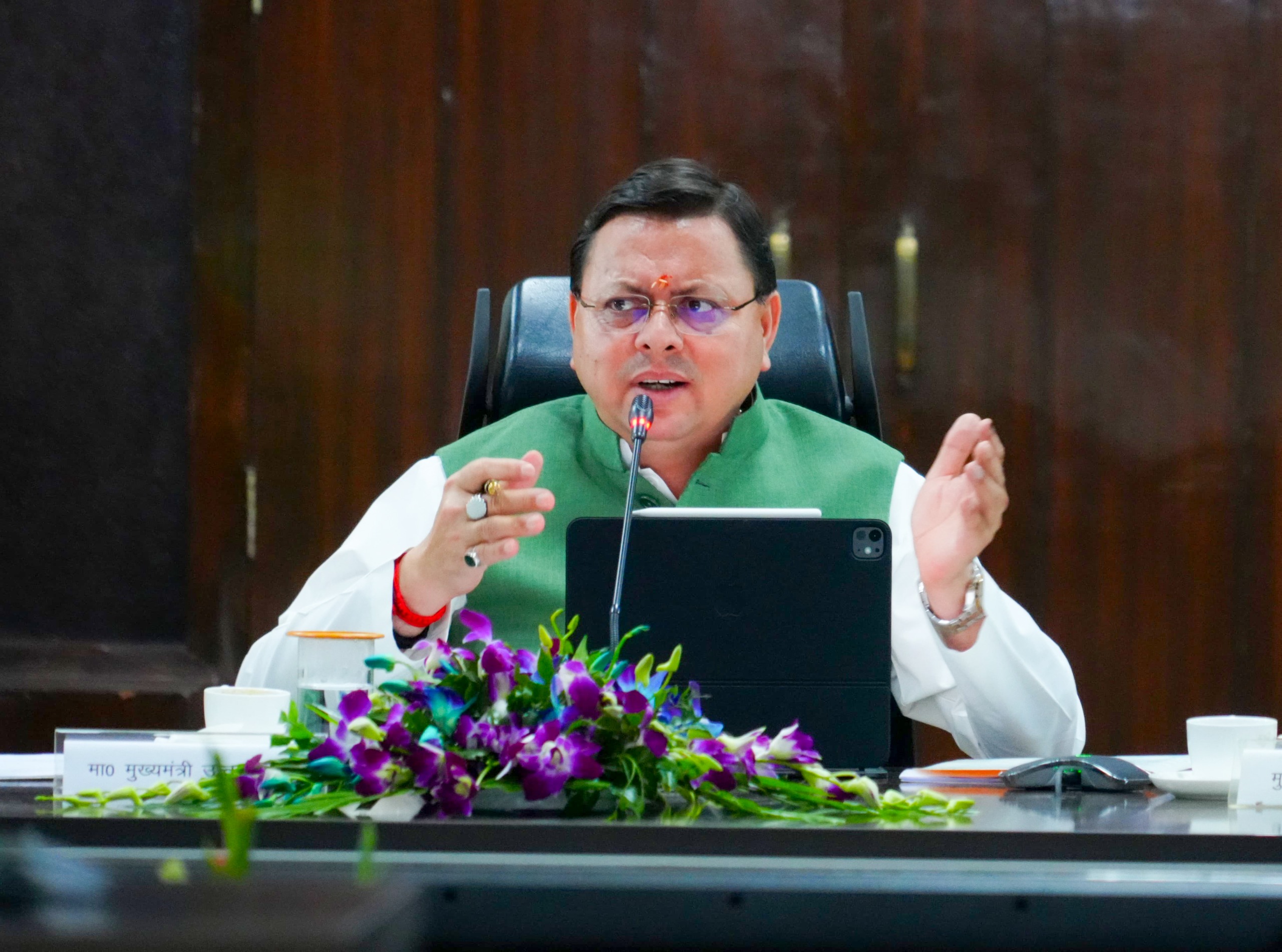
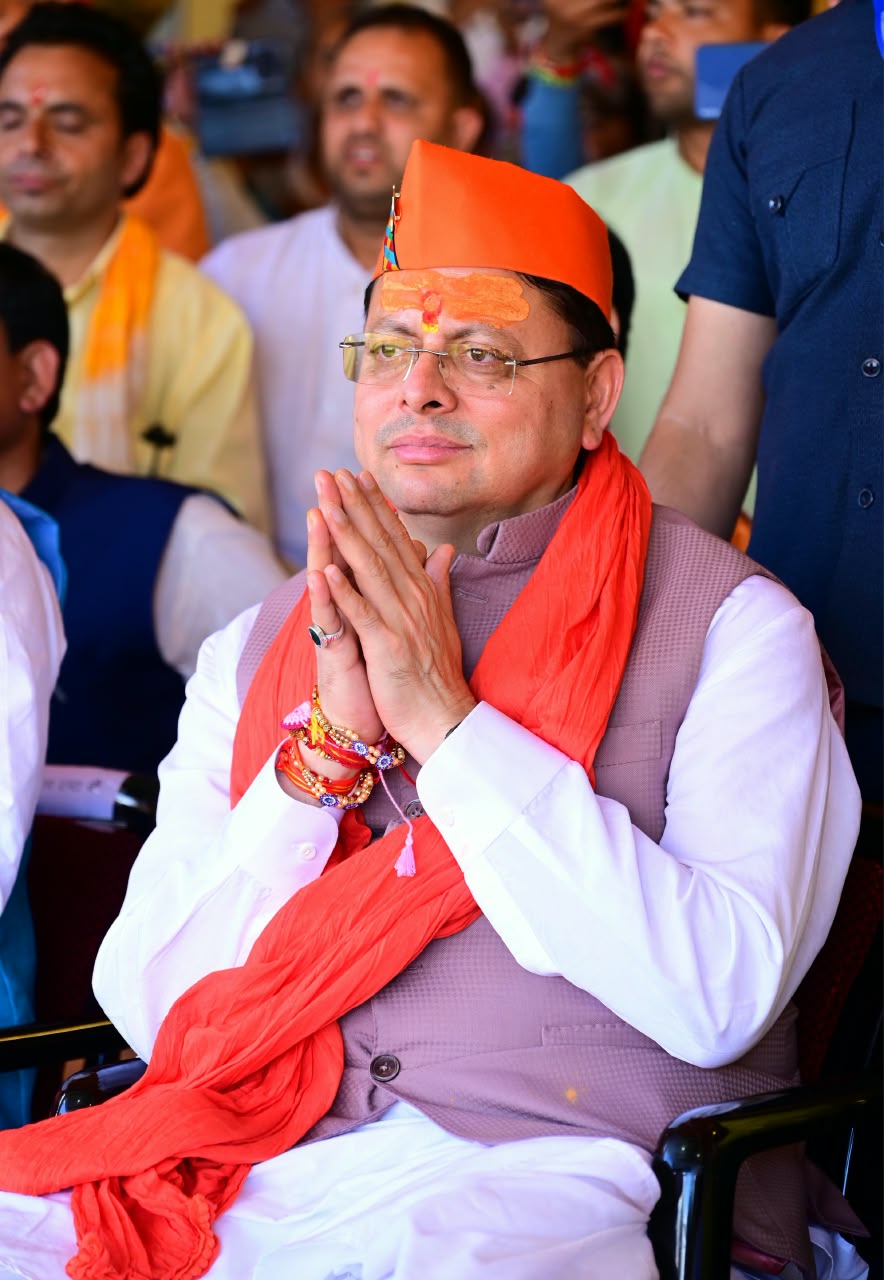
Chief Minister Pushkar Singh Dhami reached Devidhura by helicopter to participate in the festival. He was welcomed at the helipad by Cabinet Minister Ram Singh Kaida, District Magistrate Manish Kumar, Superintendent of Police Rekha Yadav and other public representatives. A captivating performance of the traditional Chholiya folk dance was also presented to welcome the Chief Minister.
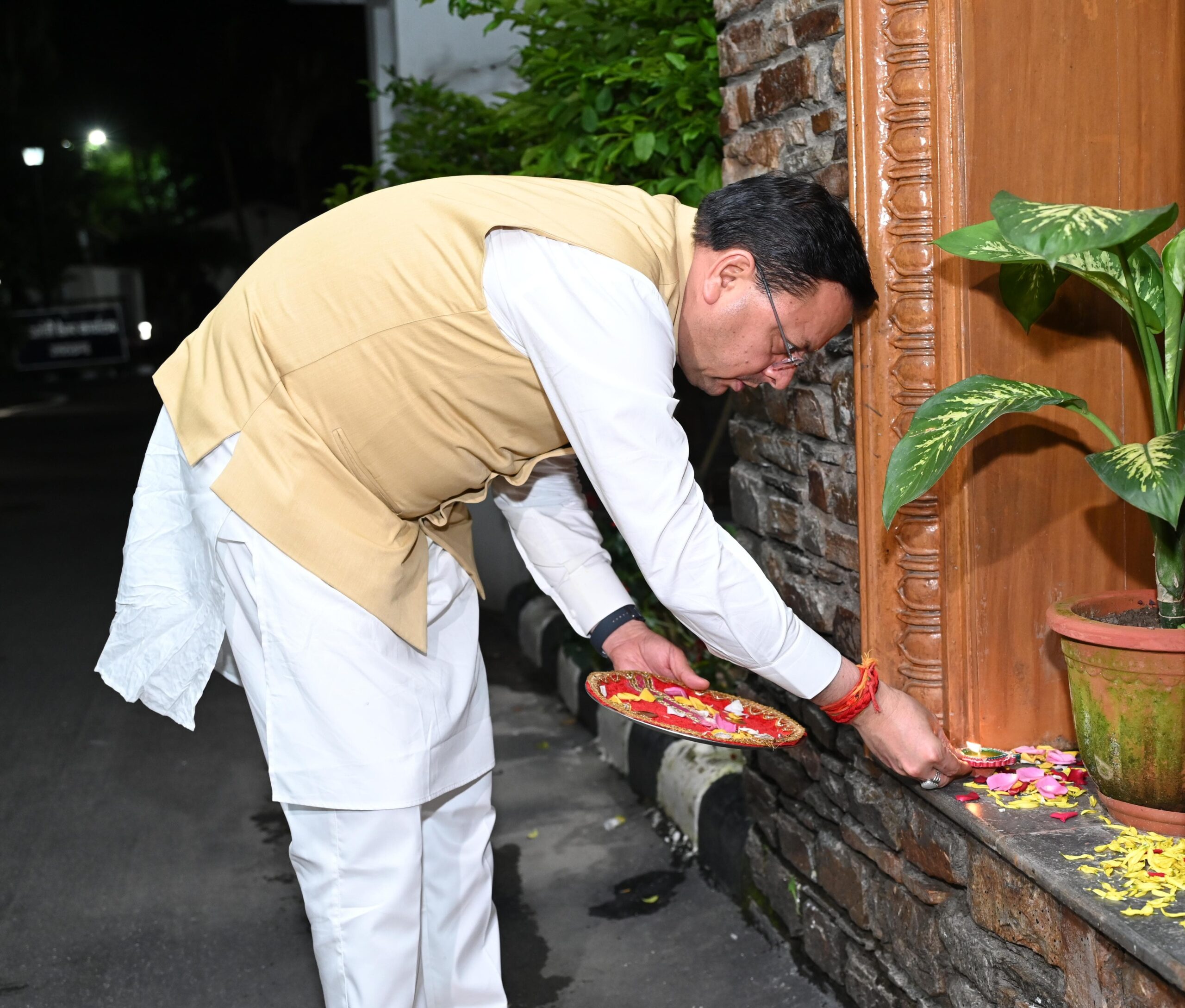
Chief Minister Dhami offered prayers at the revered Maa Varahi Temple and prayed for the happiness, prosperity and well-being of the people of Uttarakhand. He also extended his greetings to the people on Raksha Bandhan and prayed for the blessings of Maa Varahi upon everyone.
Focus on Development Along with Heritage Conservation
Describing Devidhura and the world-famous Bagwal Festival as a living symbol of Uttarakhand’s deep faith, rich folk culture and community participation, Chief Minister Dhami said the state government is committed to preserving its cultural roots, folk traditions and historical and religious heritage alongside modern development.
He said development is not being limited to infrastructure alone and that religious and historical heritage sites are also being integrated into the development mainstream.
Under the Manaskhand Temple Mala Mission, several major mythological and religious sites in the Kumaon region are being developed and renovated. At the Devidhura temple complex, reconstruction of the Garhwal Kham Bhawan at a cost of Rs 4.27 crore and the Rankochi Temple at a cost of Rs 4.57 crore is underway.
Development works have also been completed for the beautification of the Ghatotkach Temple, construction of the Ghatku Hidimba Temple, a bathing ghat at the Sapteshwar Mahadev Temple and beautification of the Ladhaun Dhura fairground.
The Chief Minister said works worth Rs 1.95 crore are being undertaken for blacktopping the Ghatotkach-Jhalimali Temple road, while Rs 4.70 crore has been allocated for the beautification of various temples. A Rs 5 crore street-light project is also being implemented along the Purnagiri route.
Development works related to Patal Rudreshwar, Khetikhan Surya Temple, Bhumia Dev Temple, Bhigrada Temple and the Dungri-Fatyal Shiv Temple are also in progress.
According to the Chief Minister, 397 works costing Rs 68.58 crore have been undertaken in the state over the past five years for religious infrastructure development and beautification.
Devidhura to Be Developed as a Nagar Panchayat Area
Chief Minister Dhami said Devidhura would be brought under a Nagar Panchayat area. He also announced that a multi-level parking facility costing Rs 9.80 crore would be constructed in Devidhura soon.
He said declaring the Bagwal Festival a ‘State Festival’ has enhanced its stature and strengthened arrangements for the annual event.
The Chief Minister emphasized that religious tourism should contribute to strengthening the local economy while creating employment and self-employment opportunities. He urged the people of Uttarakhand, particularly the younger generation, to actively participate in preserving the state’s rich folk traditions and cultural heritage.
Reiterating the vision of “Development along with Heritage,” Dhami said the government is committed to taking Uttarakhand forward while protecting its distinctive cultural identity.
Historic Bagwal Played Between Four Khams and Seven Thoks
The Devidhura Bagwal is renowned for the unique traditional stone battle played between four Khams and seven Thoks. Chief Minister Dhami also witnessed the historic ritual.
The Bagwal began at Maa Varahi Dham in Pati development block following traditional prayers by the head priest. Subsequently, Bagwalis representing the four Khams—Walikh (white), Chamyal (pink), Gahadwal (saffron) and Lamgadiya (yellow)—entered the arena.
Dressed in traditional attire and colourful turbans, the participants carried shields made of bamboo and ringal. The Bagwal commenced amid conch-shell blowing and chants in praise of Maa Varahi.
The entire Bagwal arena reverberated with chants as fruits and flowers were showered during the ritual. This year’s Bagwal began at 1:48 PM and concluded at 1:55 PM, lasting around eight minutes. The use of fruits and flowers kept the centuries-old tradition alive in a symbolic and auspicious form.
According to Peethacharya Pandit Keertiballabh Joshi, the Bagwal played with fruits and flowers is considered highly auspicious and fruitful. He was also responsible for coordinating the arrival of the Khams and conducting the Bagwal.
Tradition Reflects Discipline and Brotherhood
Chief Minister Dhami said Maa Varahi watches over everyone and described the Devidhura Bagwal as a unique cultural heritage that can be witnessed in this form only at the Bagwal ground. He said the tradition is an example of discipline and brotherhood, as participants embrace one another after the Bagwal concludes.
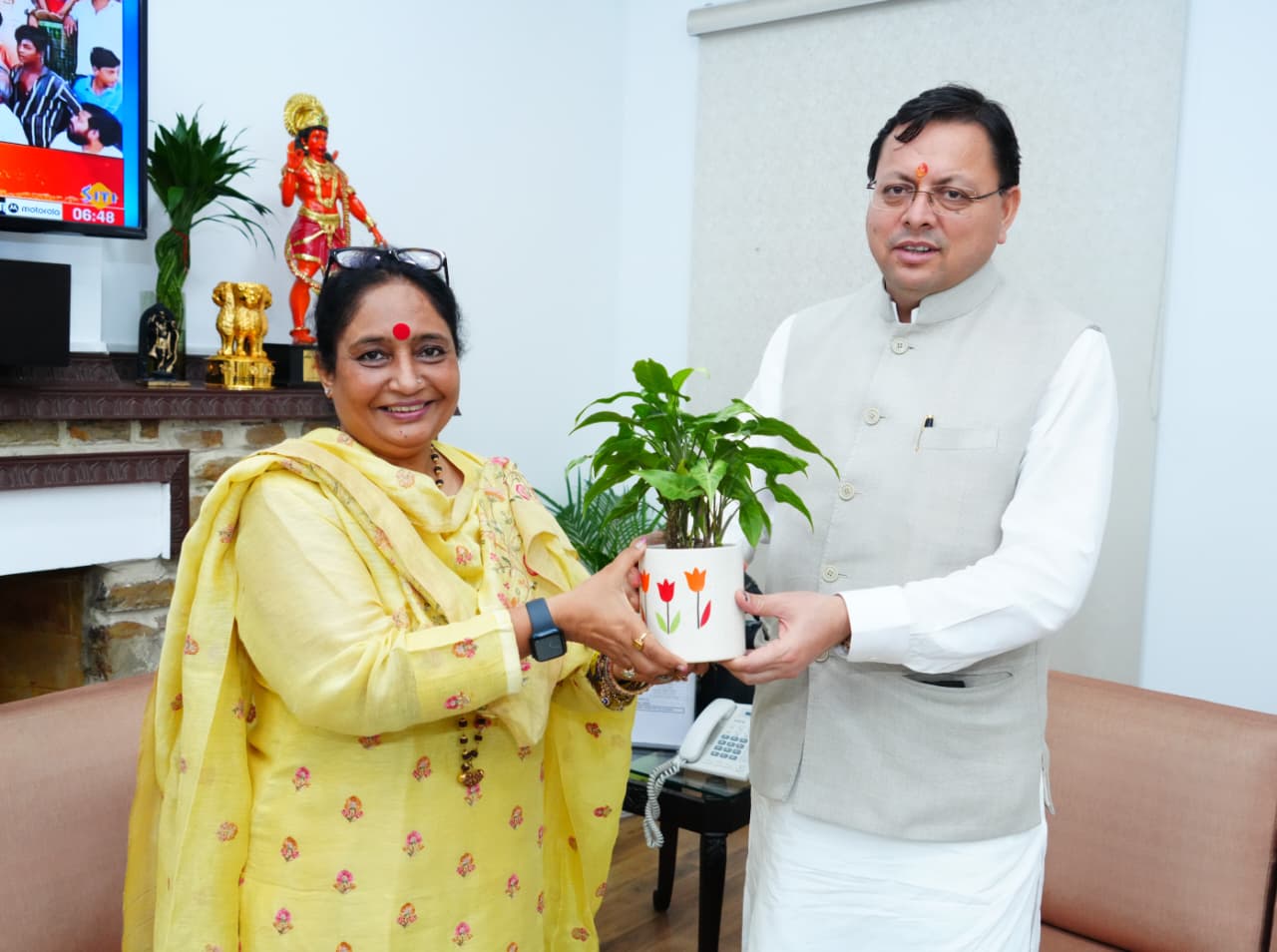
On the occasion of Raksha Bandhan, girls and women also tied rakhi on the Chief Minister’s wrist and celebrated the festival with him.
A large number of devotees, public representatives and dignitaries attended the historic Bagwal Festival, showcasing Uttarakhand’s rich spiritual and cultural heritage.