Development Must Not Trigger Disasters: Dr. Aswal
NDMA Member reviews Uttarakhand’s disaster preparedness, stresses “Zero Death” goal
Dehradun:
Dr. Dinesh Kumar Aswal, Member of the National Disaster Management Authority (NDMA), emphasized that development activities must be planned in a way that they do not create new disaster risks. He stated that the goal of “zero deaths” during disasters can only be achieved by minimizing risks in advance.
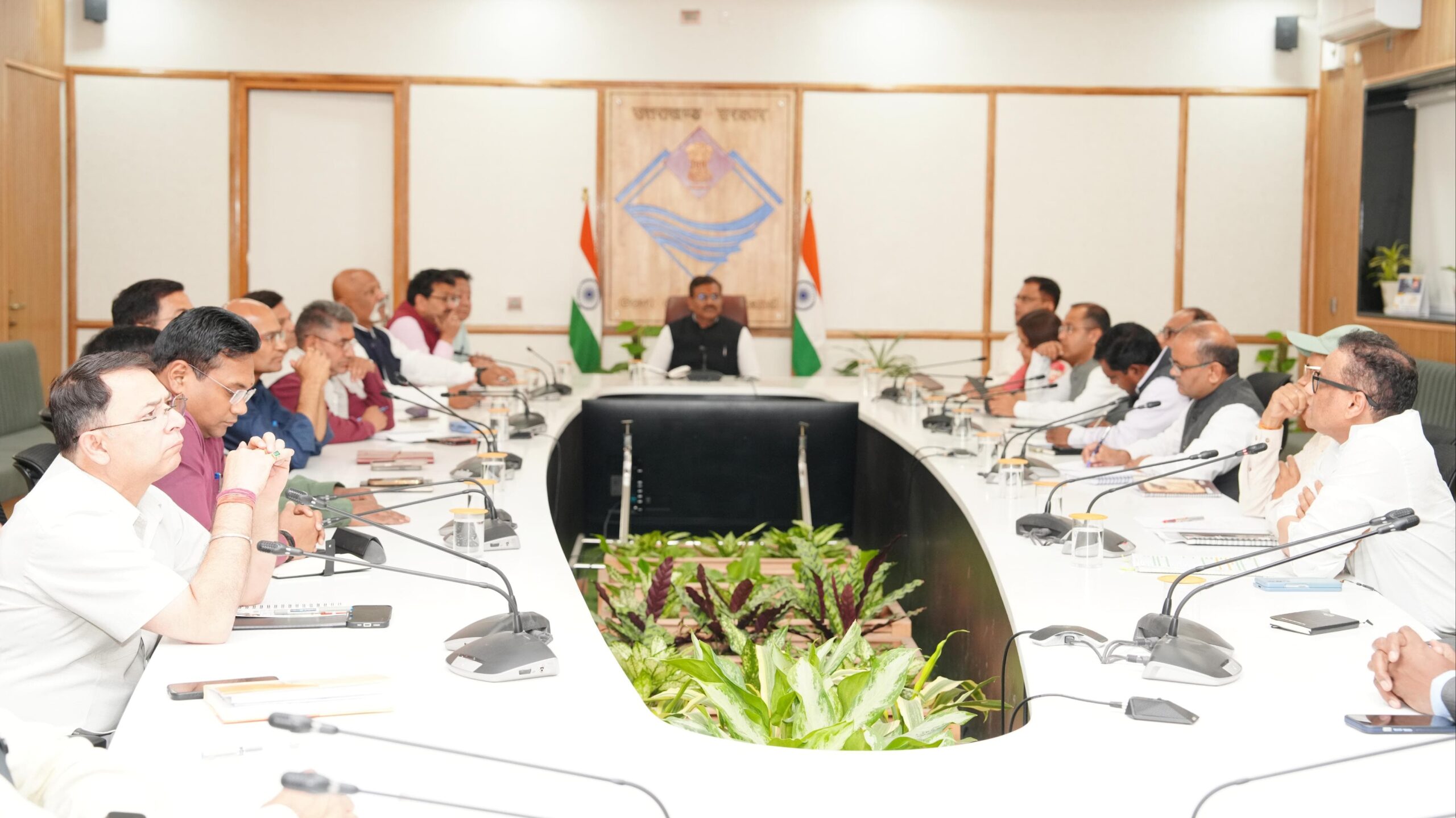
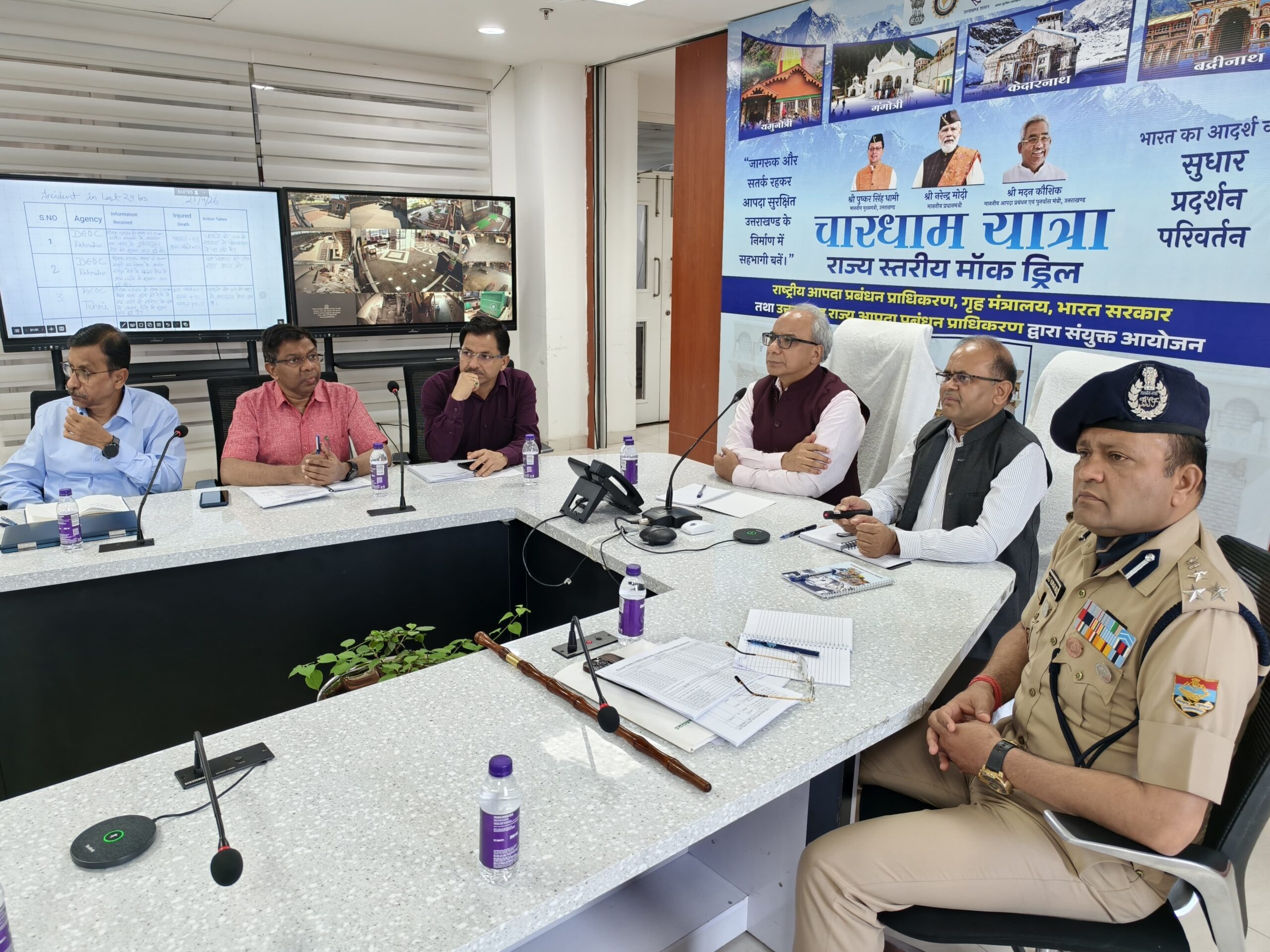
During a high-level review meeting held at the Uttarakhand State Disaster Management Authority (USDMA) on Tuesday, Dr. Aswal assessed the preparedness of all 13 districts in the state. While expressing satisfaction with the current arrangements, he directed officials to place Disaster Risk Reduction (DRR) at the core of all planning and prioritize pre-disaster preparedness.
He appreciated the State Disaster Management Plan (SDMP) and District Disaster Management Plans (DDMP), calling them milestone initiatives in strengthening disaster resilience in Uttarakhand.
Focus on Landslide Early Warning System
Dr. Aswal highlighted the urgent need for developing a landslide early warning system in the hill state. He assured full technical and institutional support from NDMA for this initiative.
He also instructed authorities to identify mobile network “shadow areas” across districts and submit a detailed report to NDMA so that communication services can be strengthened in those regions.
Positive Response on Financial Support and SDRF Relaxation
During the meeting, Secretary Vinod Kumar Suman requested relaxation in SDRF norms for dredging works aimed at river channelization. In response, Dr. Aswal advised the state to submit a formal proposal, assuring that it would be considered on priority.
He also gave a positive assurance regarding additional financial assistance for disaster risk reduction initiatives.
Emphasis on Community Empowerment and GIS Mapping
Reviewing the “Yuva Aapda Mitra” scheme, Dr. Aswal described community participation as the strongest pillar of disaster management. He urged authorities to expand training programs and involve more people.
He further directed comprehensive GIS mapping of resources, manpower, vulnerable areas, and villages, and their integration into district disaster management plans.
Mandatory Disaster Plans for Institutions
Dr. Aswal stressed that disaster management plans must be made mandatory for all institutions, including schools, colleges, hospitals, malls, apartments, and stadiums.
Secretary Vinod Kumar Suman informed that plans for line departments have been completed, while work for other institutions is progressing rapidly.
Regular Coordination with Security Forces
He directed District Magistrates to hold monthly coordination meetings with the Army, Air Force, SSB, BSF, NDRF, and other forces to ensure quick and effective response during emergencies.
Pine Needle (Pirul) to Briquettes: Turning Risk into Resource
Dr. Aswal noted that pine needles (pirul), a major cause of forest fires in Uttarakhand, can be converted into useful fuel briquettes if properly utilized.
He said NDMA is ready to provide large-scale funding for such initiatives and asked districts to submit proposals. He also emphasized the use of modern technologies, including robotics, for efficient collection of pine needles.
Proposal for Disaster-Resilient Model Villages
Dr. Aswal suggested phased relocation of populations from highly vulnerable areas and the development of new, disaster-resilient villages and townships.
He recommended establishing at least one model disaster-safe village in each district and emphasized that construction in mountainous regions must align with local geographical sensitivities. He also called for necessary amendments and strict enforcement of building bylaws.
Digital Twin Technology for Advanced Disaster Management
Highlighting the role of advanced technologies, Dr. Aswal advocated the adoption of digital twin technology to simulate and assess potential disasters in advance.
He also encouraged promoting innovation and involving startups to strengthen disaster management through modern solutions.